What is Galungan and Kuningan? The Best Guide
Discover the significance of Galungan and Kuningan in Bali. Learn about Penjor traditions, upcoming 2026 dates, visitor etiquette, and top locations to observe these sacred holidays.

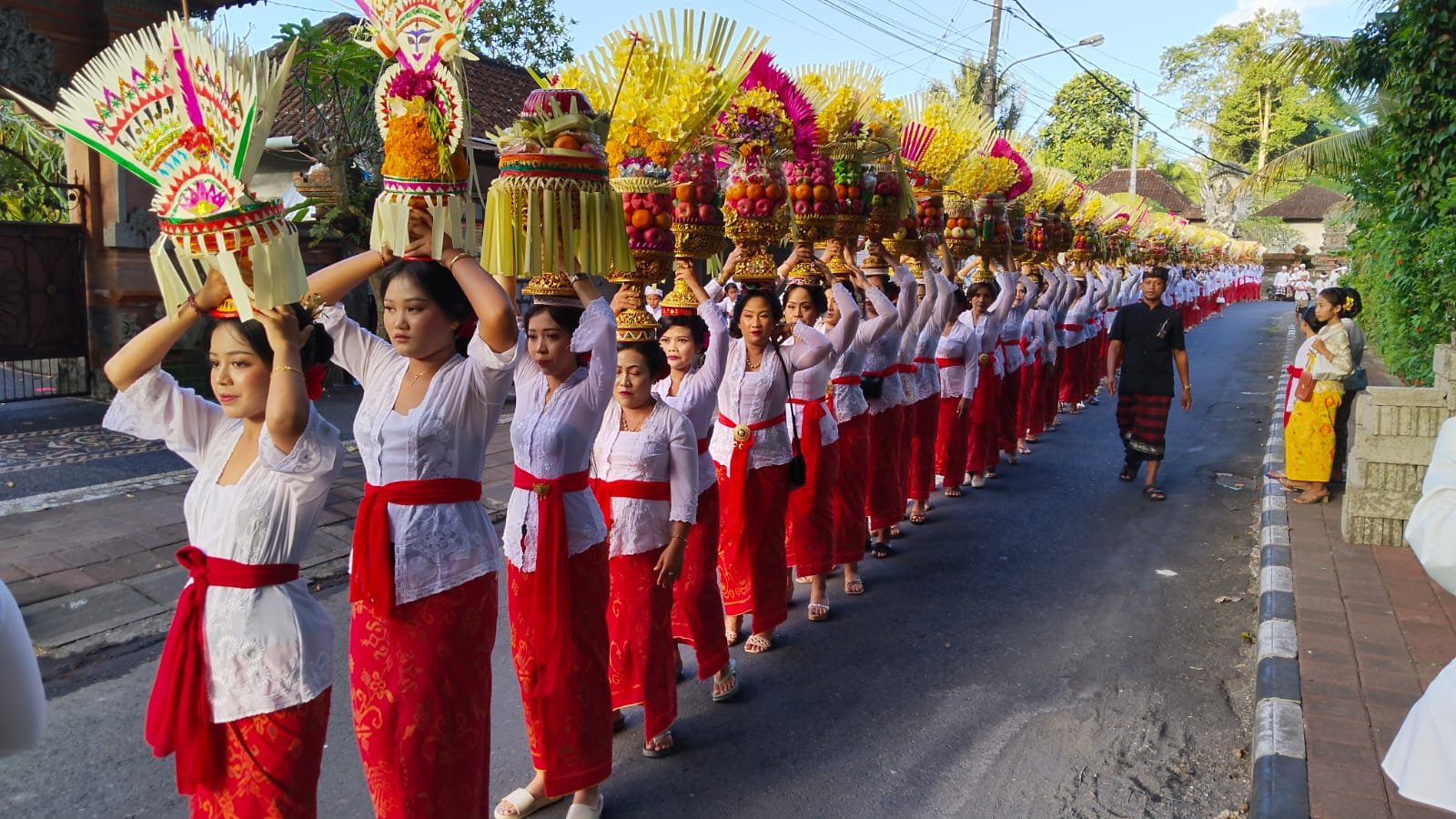
Bali has many moments that feel magical, but Galungan and Kuningan are entirely unique. During this sacred period, the island’s deep spiritual life becomes visibly manifest across everyday streets. Tall, arched bamboo poles (Penjor) line roads and villa entrances overnight. Balinese families dressed in crisp white garments, vibrant sashes, and traditional sarongs process to local temples, and the fragrance of incense and fresh flowers fills the air.
As Bali continues to welcome millions of international visitors each year, experiencing the island with cultural respect and authentic insight has never been more vital. This guide breaks down the spiritual meaning behind Galungan and Kuningan, practical travel considerations, and how to observe these sacred traditions with mindfulness.
1. The Deep Spiritual Meaning of Galungan & Kuningan
In Balinese Hinduism (Agama Hindu Dharma), Galungan marks the triumph of Dharma (righteousness, cosmic order, and truth) over Adharma (chaos and disorder).
-
The Arrival of Ancestral Spirits (Galungan): Balinese families believe that during Galungan, the spirits of deceased ancestors descend from the celestial realm to visit their earthly family homes (pemerajan). Households prepare elaborate feast offerings, perform cleansing rituals, and welcome their ancestors back with prayers and devotion.
-
The Spiritual Farewell (Kuningan): Held exactly 10 days after Galungan, Kuningan marks the conclusion of this sacred period. Families offer prayers of gratitude and yellow rice (nasi kuning)—symbolizing prosperity, blessing, and peace—as ancestral spirits and deities return to the spiritual realm.
Together, these twin holy days exemplify the core Balinese philosophy of Tri Hita Karana—maintaining harmonious relationships between humans and God (Parahyangan), humans and fellow humans (Pawongan), and humans and the natural environment (Palemahan).
2. Understanding the 210-Day Pawukon Calendar & Upcoming Dates
Galungan and Kuningan do not follow the standard 365-day Gregorian calendar. Instead, they operate on the 210-day Balinese Pawukon calendar system. Because of this shorter cycle, these holy days occur roughly every seven months.
Key recurring rules to keep in mind:
-
Galungan always falls on a Wednesday (specifically Buda Kliwon Dungulan).
-
Kuningan always falls on a Saturday, 10 days later (Saniscara Kliwon Kuningan).
Traveler Tip: Ceremonial preparations begin days before Galungan (such as Penyampahan and Penampahan Galungan, when traditional dishes like lawar and sate are prepared). Expect a festive holiday atmosphere for nearly two weeks across the entire island.
3. Vibrant Traditions You Will See Across Bali
The Penjor: Sacred Arched Bamboo Poles

The Penjor is the most striking visual feature of Galungan. These towering bamboo poles are intricately decorated with woven young coconut leaves (janur), dried paddy rice, yellow flowers, sugar cane, and unhusked fruits. Placed outside every Balinese home gate, the Penjor represents Mount Agung and serves as an offering of gratitude to God for the earth’s bounty.
Temple Processions & Family Compounds
Mornings during Galungan see families traveling together to village temples (Pura Desa), water temples, and ancestral shrines. You will hear gamelan music, traditional bell chimes from high priests, and quiet chanting throughout residential neighborhoods.
Traditional Culinary Preparations
Galungan is a family-centered holiday. Balinese households come together to wrap Jaja (traditional rice cakes) and prepare ceremonial feasts, bringing family members back from cities to their ancestral home villages.
4. Best Regions in Bali to Observe the Festivities
Where you stay during Galungan determines how closely you connect with the holiday:
-
Ubud & Surrounding Villages: The cultural heartland of Bali. Areas like Penestanan, Nyuh Kuning, and Tegallalang offer quiet lanes filled with Penjor and traditional temple processions.
Browse our Ubud's Villa Collections
-
Sanur: Offers a calm, community-focused coastal perspective. Ceremonies here are traditional and serene, ideal for travelers seeking authentic culture away from heavy party hubs.
-
Canggu & Pererenan: Illustrates the unique contrast between modern surf culture and deep-rooted Balinese tradition. You will see grand Penjor outside contemporary cafes and beach clubs.
Discover our Canggu's Villa Collections
5. Visitor Etiquette: How to Be a Respectful Guest
Observing Galungan and Kuningan as an international traveler is a privilege. Follow these simple guidelines to ensure your presence is respectful:
-
Mind the Offerings (Canang Sari): You will find small palm-leaf offerings placed on sidewalks, doorsteps, and shop entrances. Always step carefully around them and avoid stepping on incense or flowers.
-
Dress Appropriately Near Temples: If passing or visiting public temple areas, wear a proper sarong with a sash wrapped around your waist, and keep your shoulders covered.
-
Photography Etiquette: It is fine to photograph Penjor-lined streets. However, never walk directly in front of someone actively praying or stand higher than the ceremonial priest (Mangku).
-
Plan for Slower Traffic: Ceremonial processions often occupy parts of village roads. Remain patient, enjoy the music, and allow traffic to flow naturally.
Experiencing Galungan & Kuningan with Villas R Us
Staying in a private villa during major Balinese holidays allows you to experience local culture in comfort:
- Enjoy a tranquil, private home base when local shops or restaurants operate on holiday hours.
- Receive local guidance on temple etiquette, dress codes, and neighborhood event timings from our dedicated local concierge team.
- Experience authentic village atmosphere right outside your villa gates while enjoying five-star amenities.
- Ready to experience Bali's living culture? Browse our complete Bali Villas Collection or contact our team direct to reserve your stay.
Yes, major tourist facilities, private supermarkets, beach clubs, and international restaurants in areas like Canggu, Seminyak, and Ubud remain open. However, small local shops (warungs), local government offices, and family-owned businesses may close or run on reduced hours on Galungan Day so staff can participate in family temple ceremonies.
Foreign visitors are welcome to observe public temple processions from a respectful distance. To enter inner temple grounds (Jeroan), you must wear traditional Balinese attire (sarong, sash, and covered shoulders), follow temple guidelines (including non-entry for women who are menstruating), and observe quietly without interrupting prayers.
Not at all, but road transport requires flexibility. Village streets often experience brief traffic pauses as processions cross between temples. It is best to avoid tight schedules and hire a knowledgeable local driver who can navigate alternative routes.
Nyepi is the Balinese Day of Silence (the Balinese Saka New Year), during which the entire island shuts down—no lights, no traffic, no flights, and everyone stays indoors. Galungan and Kuningan, by contrast, are vibrant, joyful, active celebrations filled with colorful decorations, street processions, music, and social gatherings.
The Penjor are erected 1–2 days before Galungan and remain standing throughout the entire 10-day period until after Kuningan, and often for up to a month. The island remains extraordinarily photogenic throughout this entire window.
The best villas, before they're booked.
Join 12,000 travellers getting new stays & direct-booking deals monthly.
Ready to book your next escape?
Every villa here is managed and bookable directly through Villas R Us — meaning the best rate, a real human on WhatsApp, and staff who'll have your workspace and Wi-Fi sorted before you land.
Other Articles